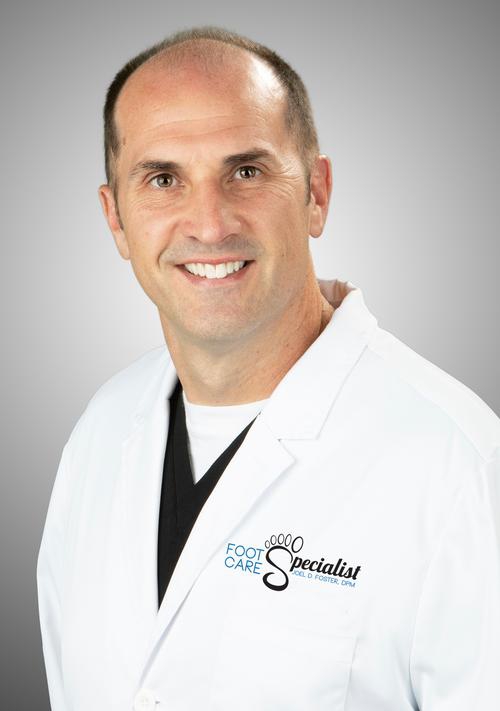
Dr. Joel Foster recently traveled to Nottingham, United Kingdom, to attend the European Foot & Ankle Society (EFAS) Minimally Invasive Surgery Conference. The event brought together foot and ankle specialists from around the world, including France, Germany, Egypt, Poland, and many other countries.
As medicine continues to evolve, staying current with the latest surgical techniques, technology, and treatment approaches helps ensure patients receive the highest level of care possible. Conferences like EFAS provide a unique opportunity for physicians to learn directly from leading experts, exchange ideas, and discuss the future of foot and ankle medicine.
For Dr. Foster, the trip was an opportunity to gain a broader perspective on how foot and ankle surgeons around the world approach the same conditions they treat every day. When asked why it was important to travel internationally for the conference, Dr. Foster explained, "I am always looking for opportunities to step out of my comfort zone and look at things from a different perspective. I wanted to see how foot and ankle surgeons around the world approach the conditions that we are all treating every day."
Beyond the educational sessions, Dr. Foster found tremendous value in the relationships built throughout the conference. He noted that one of the most rewarding aspects of the event was the opportunity "not only to discuss and learn surgical treatments, but also to build relationships with colleagues around the world."
The primary focus of the conference was the continued evolution of minimally invasive foot and ankle procedures. These techniques are designed to reduce tissue disruption, minimize postoperative discomfort, and potentially shorten recovery times compared to traditional surgical approaches.
Reflecting on the experience, Dr. Foster said one of his biggest takeaways was seeing how closely aligned many surgeons are in their treatment philosophies. "The biggest takeaway is that much of what we are doing is very similar. This builds a lot of confidence that minimally invasive surgeons in the United States and around the world are all operating with similar approaches." He also appreciated the opportunity to share his own experience and techniques with surgeons who are earlier in their transition from traditional open surgery to minimally invasive procedures.
In addition to attending lectures and surgical discussions, Dr. Foster had the opportunity to learn firsthand how physicians from different countries approach common foot and ankle conditions. Exposure to a variety of perspectives helps identify new ideas, refine existing techniques, and ensure patients benefit from the most current thinking in the field.
One of the highlights of the conference was working directly with Dr. Marc Elkaim, a French foot and ankle surgeon, during a cadaver lab session. "I was privileged to meet and work one-on-one in the cadaver lab with Dr. Marc Elkaim," Dr. Foster said. "I was able to learn a bunion surgery technique that he has perfected and has been performing for the last 16 years."

While conferences like EFAS are valuable learning experiences for physicians, the ultimate goal is always to improve patient care. Dr. Foster explained that many of the lessons he plans to implement involve subtle refinements rather than dramatic changes. "The majority of the things I will apply are mostly some subtle changes to hand position and angle of bone cuts in certain conditions. Sometimes it is these small changes that can make a big difference for patients by minimizing unnecessary trauma to the body and reducing postoperative pain."
Dr. Foster remains committed to lifelong learning and regularly attends educational events throughout the year. By combining experience, modern technology, and ongoing education, our goal is to provide patients with the most effective foot and ankle care possible.